About
Absorb what is useful, discard what is not, add what is uniquely your own. - Bruce Lee
Prefer to listen? Here's the audio version:
The Beginning
Hindsight is 20/20, as long as you know how to wear the glasses.
I grew up in rural Oklahoma. Small town. Farm kid. I can build and repair a barbed wire fence. I know what alfalfa looks like and why you don't let cattle graze while it's in bloom. The kind of place where you're expected to do well, leave, and become something. I was accepted to the Air Force Academy and Cornell. I chose OBU because of their medical program and how close it was to home - I still had expectations of helping on the farm.
I was an excellent high school student. One of the top in my class, drum major in the marching band, involved in every activity and club possible including the rodeo club - the whole picture. I wanted to be a doctor. I had the SAT and ACT scores. I had the trajectory. What I didn't have was any idea how much of that success was the environment carrying me rather than capability I'd actually built.
College was a punch in the gut.
I enrolled at Oklahoma Baptist University as a Biology major on the pre-med track. I wanted to be a cardiac surgeon. After the first year, I realized what that path actually required - the sacrifice, the timeline, the total commitment - and I wasn't willing to pay that price. So I pivoted to follow the thing I'd actually fallen in love with: technology. I'd discovered it in my dorm room, hardware hacking a Diamond video card to unlock higher clock speeds so I could play Diablo. That was the seed being planted, and I wasn't even aware.
I changed to Computer Science with minors in Math and Biblical Languages. That's not a casual course load. And I had no business attempting it without the self-discipline to match the ambition. High school had been easy. College was not. The freedom, the lack of structure, the absence of guardrails I didn't know I was leaning on - I didn't have the discipline to handle any of it.
I dropped out. No degree. No backup plan. Just the first real failure of my life and no real way to explain any of it.
The Foundation
What followed were years of figuring out what I was actually made of. I worked at a small computer shop building desktops and fixing OS installs. I managed a RadioShack, where I discovered I was genuinely good at talking to people - and then discovered that being good at talking wasn't the same as being good at building. Another lesson. Another exit.
Then I found my way to a call center in Tulsa. DecisionOne. Tier 1 phone support. I answered calls for companies that outsourced their helpdesks - MBNA, Panda Antivirus, AutoZone, Magellan. This is the floor of my career. Not the small-town bank IT job that shows up first on my resume. The headset. The queue. The password resets.
But something happened there that I didn't understand until recently.
I kept getting the same questions from the other reps. Over and over. Same problems, same fixes, same explanations. I got tired of it, so I built a simple HTML site with troubleshooting documentation to make that stop. I wasn't thinking about career strategy. I wasn't trying to get promoted. I just wanted the repetition to end.
That instinct - build something that helps people do their jobs better and live better lives - has been the north star, the guiding principle of my entire career. I just couldn't see it while I was living it.
DecisionOne also gave me something far more important than a career trajectory. That's where I met Jamie, who became my wife, my best friend, the mother of our three children, and the actual foundation everything else is built on. She'll never admit it, but she's the reason I'm still standing.
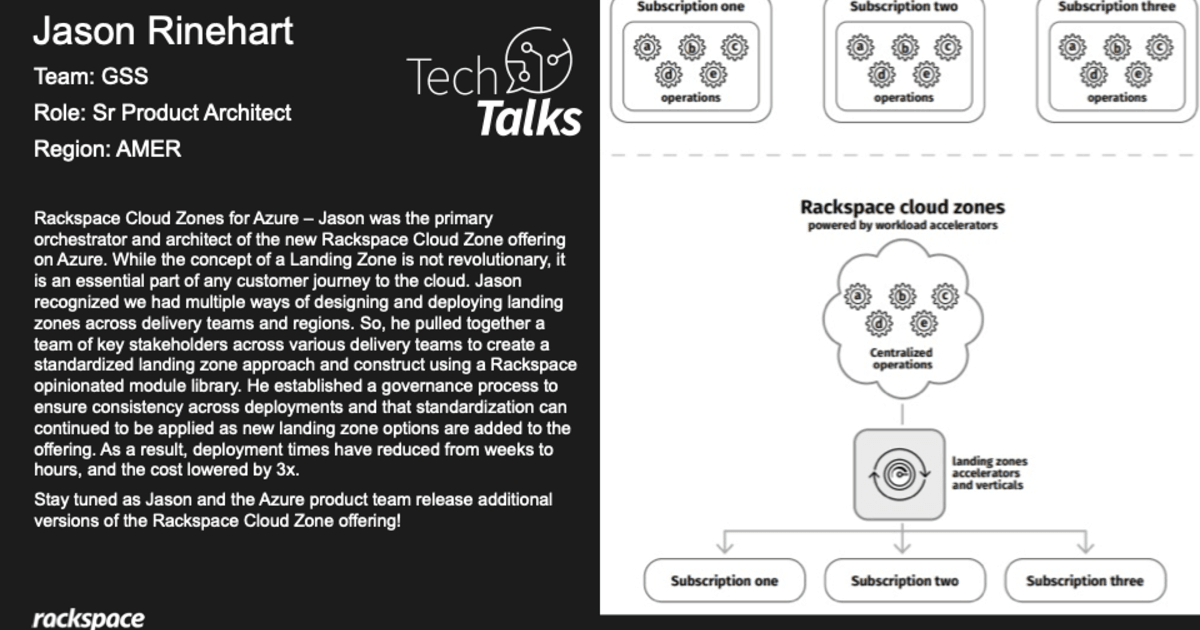
From there: First National Bank in Wewoka, where I managed IT for a small-town bank and helped convert systems from UNIX to Solaris. Sonic corporate, where I started on the helpdesk supporting 4,000+ drive-in locations and grew into disaster recovery and business continuity. Then storage architecture, virtualization, VMware, enterprise data platforms. Then cloud. Azure at scale. Platform architecture. 200+ environments across healthcare, energy, finance, and SaaS.
Twenty years. No degree. Just the same instinct playing out at increasingly complex scales: see where people are struggling, build something to help.
Does the nagging feeling of not finishing something bother me? Not as much as it used to. Will I ever finish my degree? Probably not. And frankly, I don't care.
Why "Technical Anxiety"?
I deal with Generalized Anxiety Disorder. That's a clinical way of saying I didn't take care of myself for too long, and my body started keeping score. Understanding what was happening to me physically - the way my primitive brain genuinely believes it's under threat and kicks into fight-or-flight while my logical brain has to talk it down - that was the beginning of getting a handle on it.
I named this site after the diagnosis because I'm done pretending the truth doesn't exist. The Instagram version of a career is useless. The "I just woke up" picture, the "I feel like crap" picture, the one you never want anyone to see - that's the one that's actually true. And other people recognize it because they feel the same thing.
This blog is the troubleshooting documentation I wish I'd had. Not just for Azure governance or platform architecture, but for navigating a career in technology when you don't have the credentials, the pedigree, or the coastal network that most thought leaders take for granted.
If you're sitting in a tier 2 geography, working at a regional shop, maybe didn't finish school, maybe took the first job you could get - I see you. I am you. The path exists. It's just not the one they show you in the brochures, career fairs, or high school counselor college prep planning.
My faith guides me. My family drives me. My love of technology fuels the whole thing.
And if any of this helps you look backward at your own path and find the thread you couldn't see while you were walking it - then the site did what it was supposed to do.
Jason Rinehart a.k.a. 'Technical Anxiety'
College Dropout, Technology Thought Leader, Architect
Claremore, Oklahoma
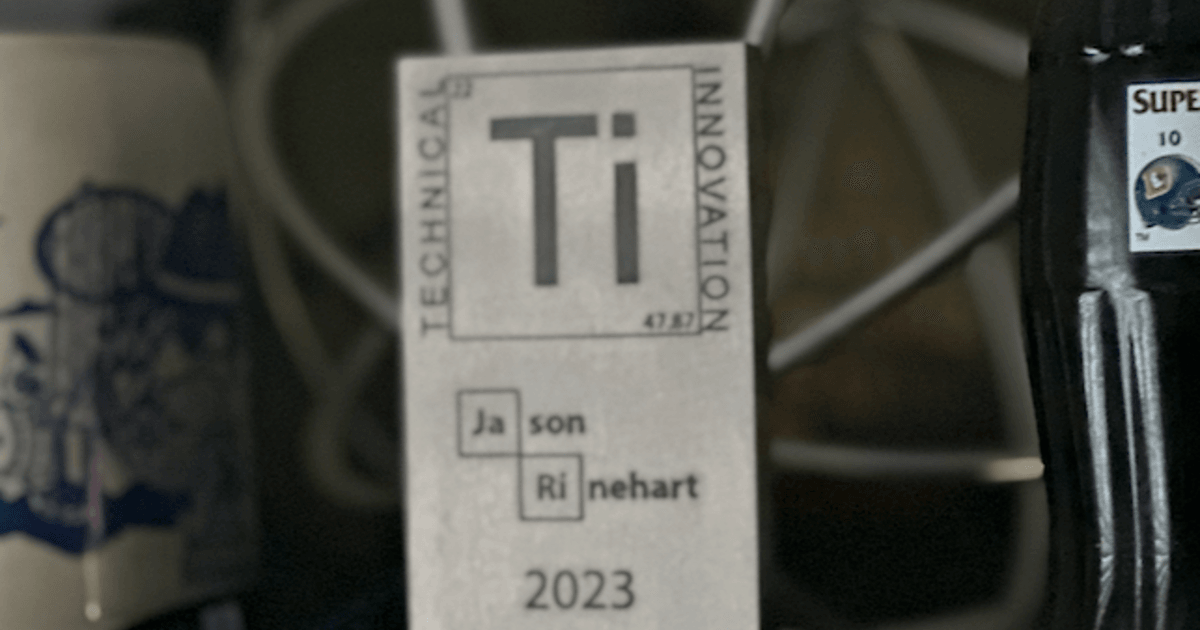
Especially proud of this recognition