The Cost of Being the Canary
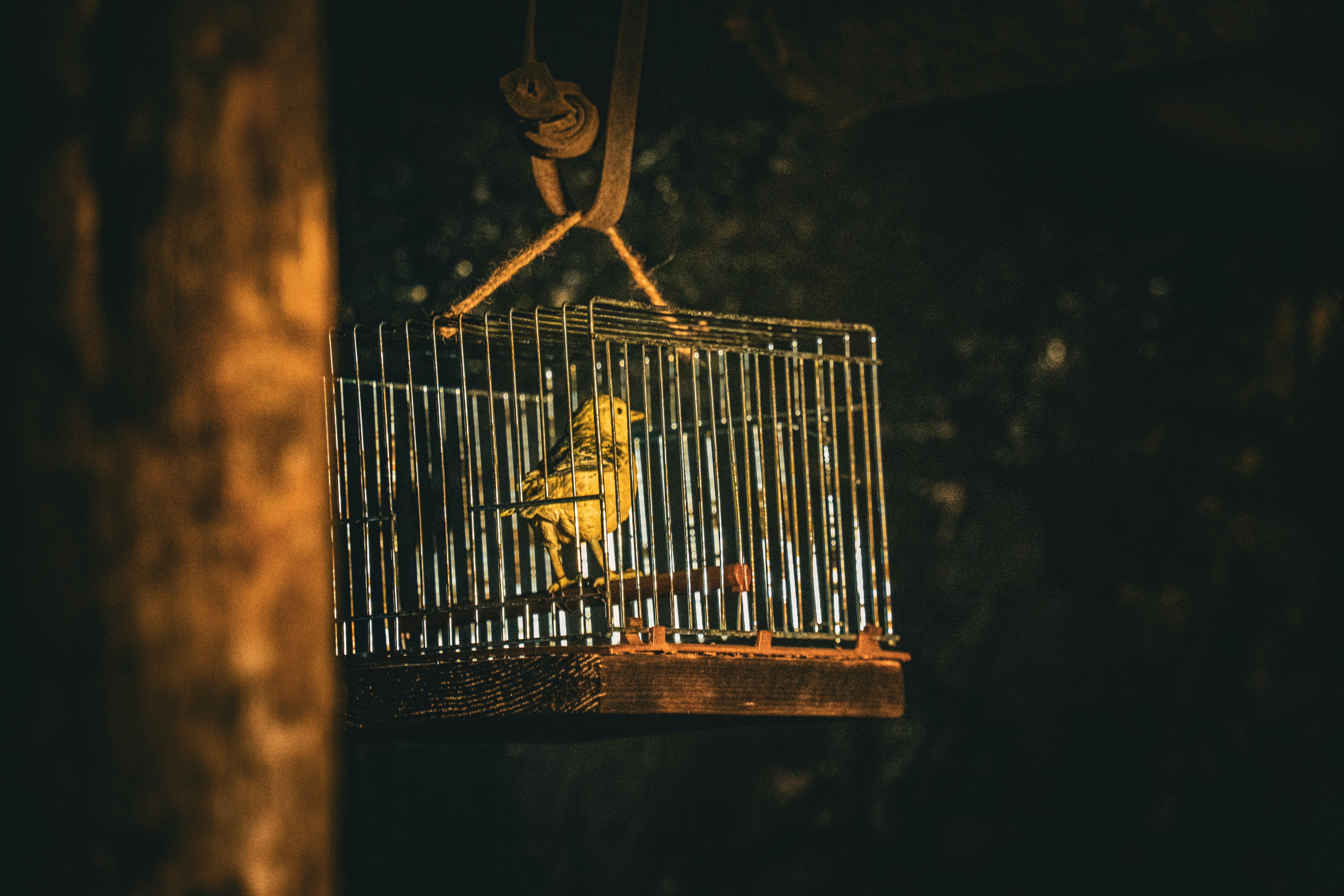
The Cost of Being the Canary
Everyone knows what the canary is for. You put it in the mine because it dies before you do. The warning is in the dying. The whole system depends on the canary not surviving.
I’ve never been that canary.
I’m the one that survives, watches the disaster happen anyway, and climbs right back into the cage.
The detection isn’t something I learned. It’s something that accumulated until it became reflex.
After enough organizations, enough migrations, enough governance frameworks that look coherent on a slide and collapse inside ninety days of production, you stop consciously analyzing. You just see it. The misalignment between what leadership says the strategy is and what the incentive structures actually reward. The project plan that only works if nothing goes wrong. The technical decision made three layers above the people who have to live with it, by people who won’t.
The moment I see it, I’m already paying. Because now I know something, and knowing something means deciding what to do with it. There is no unseeing it. There is no professional detachment that makes the pattern invisible once you’ve recognized it.
The architect who doesn’t see it has the easiest job in the room. Produce the artifact. Collect the check. Move on. I’ve watched that version of this career from close range. I understand the appeal to the people living it. But the work it produces - output without craft, artifacts without meaning - that’s not architecture. That’s order taking. And order taking is a concept I simply don’t know how to inhabit.
Every time you see it, there’s a calculation. Not a deliberate decision tree. A reflex with scar tissue around it.
Can I name this without losing access to the room? Will naming it change anything, or just change how they see me? Is this the conversation that tips me from passionate to difficult? Am I spending capital I’ll need later for something that matters more?
And then I name it anyway.
Not every time. But enough that the reputation forms before you’ve noticed it forming. The label doesn’t come from one incident. It accumulates. Death by a thousand translations.
Here’s the part that’s harder to admit. Sometimes I do the math and stay silent. And the silence costs more than speaking would have. Because now I’m carrying what I didn’t say, and I know I chose comfort over conviction, and that negotiation leaves a mark that doesn’t fade quickly.
And when it goes wrong anyway - and it always does - the blame lands on me regardless. No translation on record. No warning to point to. Just the question of how this happened and the unspoken assumption that I should have said something.
Screaming into my pillow is how I describe it to the people who get it. The rock and the hard place aren’t the exception. They’re the permanent address.
There’s no meeting where someone says your honesty is inconvenient and they’d prefer you weren’t in the room. Nobody sends that email.
It just happens.
The meeting invite that stops appearing. The peer who used to bounce ideas off you who now routes around you. The project where you find out the architecture was already decided after the fact. Small subtractions, each individually explainable. Maybe they forgot. Maybe the meeting moved. Maybe the team was already set.
You’re not imagining it. But you can’t prove it. And that ambiguity is its own cost, because it forces you to choose between self-doubt and a narrative that sounds paranoid when you say it out loud.
The translation that was received, understood, and set aside leaves no fingerprints. The org moves on. The pattern continues. And you’re left holding the awareness that the exclusion isn’t accidental. It’s the only conclusion that can be drawn.
The cost doesn’t stay at work.
It comes home in the evenings you’re quiet because you spent the day translating into a void. In the weekends spent replaying conversations you should have handled differently. The person who knows you best watches you absorb hit after hit from an organization that doesn’t deserve your energy, and there’s nothing they can do about it. They didn’t sign up for that organization’s dysfunction. They signed up for you. And you can’t help but bring all of it through the door.
Even the people closest to you will find it difficult, maybe impossible, to truly understand what you’re carrying. The stress. The anxiety of watching something avoidable become inevitable in slow motion. You’re stronger than how it feels, or the weight would have crushed you by now. But you shouldn’t have to be this strong. Not like this.
Everyone asks eventually. Including myself.
If it costs this much, why not become the architect who produces the artifact and collects the check? Why not learn the game? Why not just stop caring?
Because I’ve tried. And I can’t. Not because I’m noble. Not because I’m stubborn. Not because I’m arrogant, though some have called it that and meant it as an insult. Because the detection isn’t a skill I developed and can choose not to apply. It’s how I’m wired. Turning it off would require becoming someone I don’t recognize.
The few times I’ve attempted the silence, chosen comfort over translation, it felt worse than speaking ever did. The silence didn’t bring peace. It brought a different kind of weight. The kind that comes from knowing what I didn’t say and watching it matter anyway.
This isn’t courage. It’s constraint. There’s no version of myself that works without it.
Twenty years. Hundreds of organizations. The same pattern recurring with enough variation to keep you questioning yourself and enough consistency to know you’re not imagining it.
It built mine. I’ve watched it build careers and quietly destroy others who were wired the same way and landed in the wrong rooms too many times.
The cost isn’t something you can calculate while it’s still compounding. You just know it’s ongoing. The same detection that built everything I have is the thing that makes certain rooms uninhabitable. You can’t turn it off without becoming someone unrecognizable. You can’t keep it on without paying the price.
I still don’t know whether the canary is the most important thing in the mine or the first thing that dies.
Photo by Alpha Perspective on Unsplash