Operational Change - Part 1: The Translation Problem
The shift from monitoring servers to observing user experience isn't obvious until a cloud-native customer exposes your blind spots.
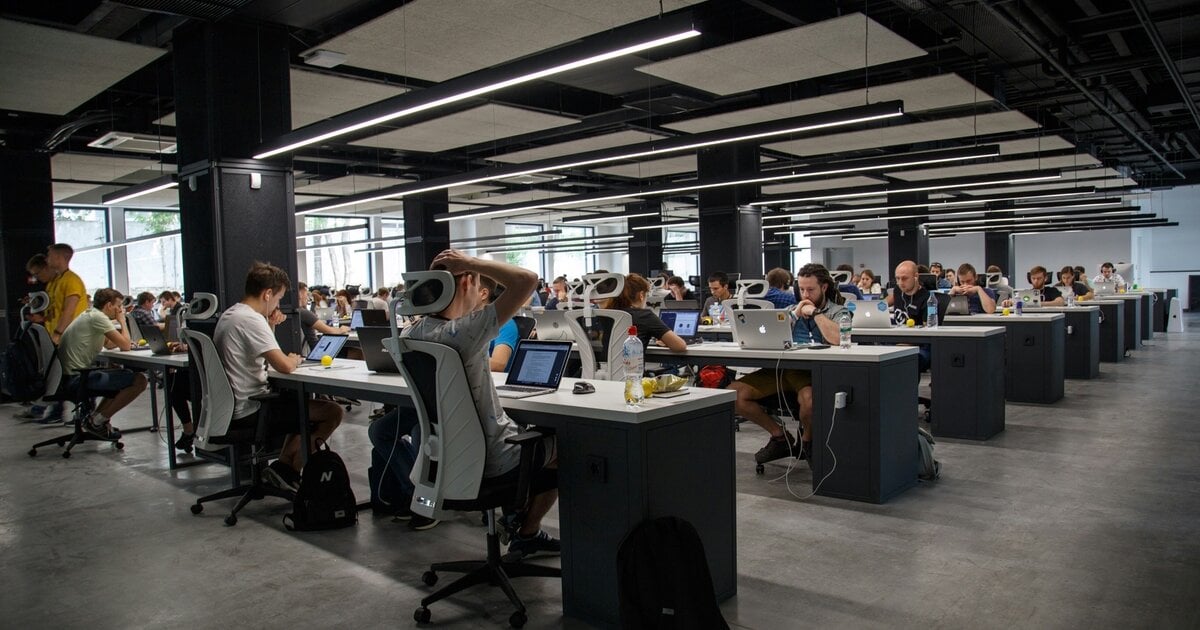
Your dashboards are green. Your customers aren't complaining. And you might still be blind to 90% of what's actually happening.
Operations teams built for private cloud don’t automatically translate to public cloud. The mental models are different. The questions are different. The things that matter are different.
This series documents the translation problem: what happens when teams trained to monitor servers encounter environments where servers are the smallest fraction of what matters. And it explores what’s coming next: AIOps that might finally deliver on promises that failed a decade ago.
Private cloud monitoring asks: “Is this server healthy?”
Public cloud observability asks: “Is the user happy and the application performing?”
When Microsoft took over everything below the infrastructure waterline, the operational responsibility moved up the stack. But most teams didn’t move with it. They kept watching VMs because that’s what they knew. They kept asking the old question because nobody taught them the new one.
The organizations that stayed stuck weren’t failing. Their customers weren’t complaining. The shared vocabulary of “traditional” masked the gap. Everyone was satisfied with visibility into 10% of the environment because everyone expected visibility into 10% of the environment.
Until a customer showed up who expected more.
Part 1: The Translation Problem The shift from monitoring to observability. What broke when a platform-native customer exposed the blind spots. How the feedback loop between operations and platform forced the translation. The warning signs that your team might be blind without knowing it.
Part 2: The Operations Waterline Why early AIOps failed: pattern matching dressed up in marketing language. What changed with large language models. The operations waterline concept: below it, alert triage, incident correlation, root cause analysis, runbook execution. Above it, judgment calls, architectural decisions, novel problem solving. Where toil actually lives and how intelligent operations might finally absorb it.
The organizations that figure out this shift will operate with smaller teams at higher effectiveness. Not because they eliminated people, but because they eliminated the toil that buried people.
The organizations still stuck in monitoring will buy AIOps platforms and wonder why the promises don’t materialize. Same pattern as the last generation of tooling. Different technology, same gap.
The answer to whether you’re ready for intelligent operations depends entirely on whether you’ve made the translation from monitoring to observability.
Operations leaders sensing that something has shifted but unable to name it. Teams trained on private cloud patterns trying to adapt to public cloud realities. Anyone evaluating AIOps tools and wondering why the last generation failed. Leaders whose dashboards are green but who suspect they might be missing something.
This series builds on the managed services experience documented throughout the blog, particularly Platform Resiliency. It connects to Beyond Azure Monitor which provides the technical patterns for the translation. The AIOps discussion extends into Confidence Engineering and AI Observability.
You won’t know the gap exists until you’re standing in it. This series helps you see it before that happens.
The shift from monitoring servers to observing user experience isn't obvious until a cloud-native customer exposes your blind spots.
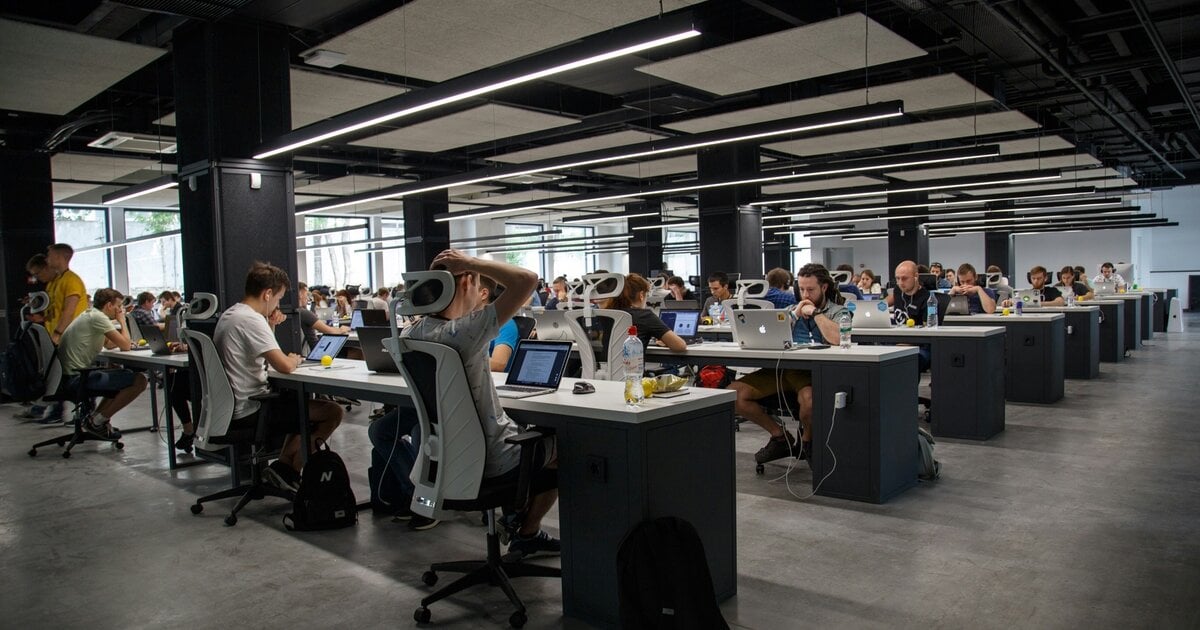
Large language models changed AIOps from expensive vendor theater to genuine operational intelligence that can absorb the toil.